What Drives the Total Cost of a Trampoline Park?
Trampoline park owners usually start by asking how much a complete facility costs, and the most useful answer begins with the building rather than the equipment. A trampoline park build-out planning package has to match ceiling height, floor loading, ventilation, and fire-exit routes that already exist or must be created, so the same attraction mix can differ in price from one site to another. Court sizes, the number of separate jumping areas, foam pit depth, and the choice between one large arena and several smaller zones all change the estimate as well. Operators who build a detailed budget around a defined layout and expected visitor count avoid the two most common mistakes: paying too little attention to building preparation and spending too much on decoration that adds no revenue.
Breaking Down the Main Cost Components
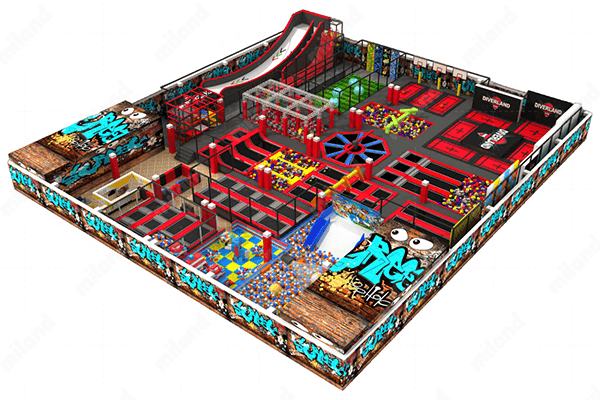
The engineered jumping surface is normally the largest single cost line in the project. A commercial trampoline venue for sale includes steel frames, competition-style beds, perimeter padding, separation netting, and the foam or air-bag protection under higher-risk features such as dunk lanes and free-run zones. Beneath that visible layer sit structural calculations, installation labor, and certification documentation that local inspectors may require before opening. Operators also budget for locker rooms, shoe-storage areas, party rooms, and a cafe if the business model depends on food and beverage sales. Getting several detailed quotes for the same specification makes pricing comparable, while vague proposals that hide delivery and assembly costs tend to grow during installation.
How Venue Layout Affects Price and Revenue
Layout determines both the price and the earning power of the facility, so the two should be decided together. Many successful venues add a multi-level indoor adventure play structure beside the trampoline courts to give younger visitors and mixed-age groups something different to do while older guests wait for the jumping zones. Positioning party rooms and seating where one supervision team can watch both attractions lowers staffing cost per square meter, and placing the cafe near the entrance encourages orders on the way in. Corridors that lead nowhere waste rentable area, while clear sightlines from the reception desk improve safety and reduce the number of floor staff needed during school holidays and weekend peaks.
Choosing a Manufacturer Who Protects the Investment
Engineering quality is the cheapest insurance a new trampoline park can buy. Working with a Miland commercial trampoline park supplier that provides structural calculations, installation support, and the paperwork insurers expect protects both the schedule and the reputation of the venue. Confirm that fall heights are matched to the safety surface under every court, that netting attachments are rated for the loads created by simultaneous jumpers, and that maintenance access is planned for bearings, spring beds, and padded frames. A supplier who explains exactly what the quoted price includes, rather than asking the operator to imagine the missing parts, prevents change orders from silently inflating the final invoice weeks before opening day.
Understanding the Trampoline Park Business Model
The trampoline park format has grown from a single-room attraction into a mainstream entertainment category because it converts repeat visits into predictable spending. Facilities generate revenue from admission tiers, memberships, birthday packages, fitness classes, and school programs that fill weekday mornings, so the business model depends on utilization rather than the headline ticket price. Operators should study how established parks price off-peak hours and manage court rotation, because a court that sits empty during a quiet afternoon still carries rent and insurance costs. Understanding that operating pattern before signing equipment contracts makes it easier to choose a scope that fits the local market and the available capital.
Planning Revenue and Return on Investment
Revenue planning should start before the concrete is poured. Set admission and membership prices from the projected cost per visitor, then design dodgeball leagues, toddler sessions, and corporate events to fill weekday gaps. Track average visit length, spending per head, and repeat-booking rates every month and compare them with the original assumptions, adjusting staffing rosters and marketing spend as patterns appear. Every profitable trampoline park begins with a realistic construction budget, a layout that supports supervision, and an operating plan written before opening day. Categories: Trampoline Park, Indoor Playground, Family Entertainment Center, Commercial Playground Equipment, FEC Attractions, Business Planning. Tags: trampoline park, trampoline park cost, indoor trampoline park, family entertainment center, commercial playground equipment, business planning. https://www.milandplay.com/product/trampoline-park-for-sale/