Bungee trampolines are among the most exciting and crowd-pleasing attractions in amusement parks, shopping malls, and outdoor events. They offer both kids and adults a safe way to experience the thrill of jumping higher than ever before. However, safety is always the number one concern when it comes to amusement rides.
In this article, we’ll explore the top international safety standards that every bungee trampoline amusement ride should meet — from design and materials to daily maintenance and operation.
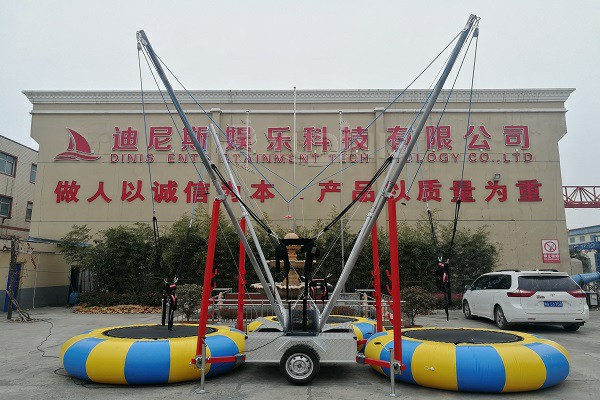
1. Structural Safety: High-Quality Frame & Springs
The frame is the backbone of any bungee trampoline amusement ride for sale. A durable structure not only ensures performance but also guarantees user safety.
Key safety requirements:
Material strength: Frames should be made from heavy-duty galvanized steel or stainless steel to prevent rust and deformation.
Weight capacity: Each unit should be designed to bear at least 200–300 kg per station, covering both the jumper and dynamic bouncing forces.
Spring system: High-tension steel springs must be corrosion-resistant and tested for elastic fatigue.
Secure anchors: The base should be fixed firmly on flat ground or bolted to the trailer for mobile versions.
Compliance standards:
EN 13814 (EU) / ASTM F2970 (USA)
2. Harness & Bungee Cord Standards
The harness and elastic cords are the most critical components connecting the jumper to the system. Poor-quality belts or ropes can lead to serious accidents.
International safety requirements:
Harness certification: Should meet EN 12277:2015 or equivalent climbing harness standards.
Adjustable straps: Ensure proper fit for both children and adults.
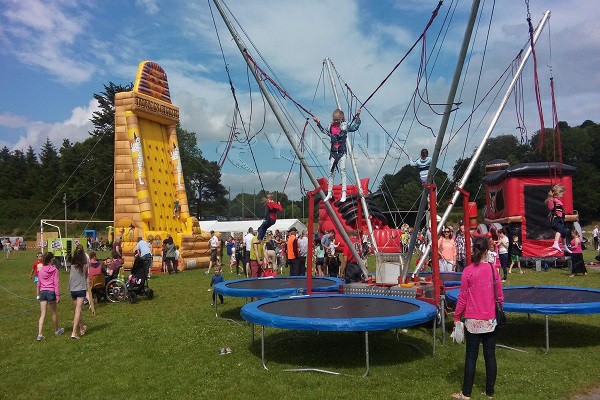
Elastic ropes: Must be made from multi-layer natural latex covered with protective fabric to prevent snapping.
Regular inspection: Replace any cords that show signs of wear, fading, or loss of elasticity.
Pro tip:
Professional manufacturers like Dinis Amusement Rides use dual-safety bungee cords, giving double protection to every rider.
3. Control System & Motor Safety
Modern bungee trampoline amusement ride often feature electric winch systems to help lift and lower riders smoothly.
Safety considerations include:
Motor overload protection: Prevents overheating or sudden failure.
Emergency stop buttons: Should be easily accessible to operators.
Automatic braking system: Ensures riders stay in a stable position when stopping.
Cable maintenance: Use high-strength steel cables coated with anti-corrosion layers.
Certifications:
CE / ISO 9001 / UL standards for electrical components.
4. Operator Training & Daily Inspection
Even the safest bungee trampoline can be risky without well-trained staff.
Daily checklist for operators:
Check harness buckles and cords before each session.
Inspect the trampoline mat and springs for damage.
Make sure no more than the rated number of riders use the unit simultaneously.
Keep the jumping area clear of obstacles.
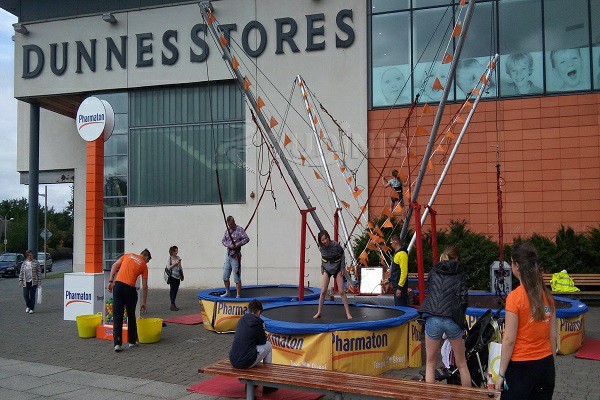
Supervise riders at all times — especially children.
Training tip:
Operators should be familiar with emergency response procedures, including how to stop the motor instantly and safely remove a rider if needed.
5. Maintenance & Replacement Schedule
Proper maintenance is the foundation of long-term safety.
A professional amusement ride manufacturer will always provide a maintenance manual and component replacement schedule.
Recommended intervals:
Daily: Visual check for bolts, cords, harnesses.
Weekly: Tighten all connections, test electrical systems.
Quarterly: Replace worn cords, clean rust-prone parts, check calibration.
Annually: Full professional inspection and certification renewal.
6. International Certification & Manufacturer Reputation
When purchasing a bungee trampoline for commercial use, always check the manufacturer’s certifications and experience.
Look for suppliers with:
CE and ISO certificates
Compliance with EN 13814 or ASTM F2970 standards
More than 10 years of production experience
Positive customer feedback from theme parks and malls
Example:
Dinis Amusement Rides provides bungee trampolines that meet European and American safety standards, ensuring worry-free operation for park owners worldwide.
7. Rider Safety Rules
Safety doesn’t stop at equipment — it extends to user behavior too.
Operators should post clear safety instructions near the ride:
Rules to display:
Minimum and maximum weight/height limits
No flips without supervision
Secure all loose items (phones, keys, jewelry)
Jump one at a time per station
Follow staff instructions at all times
These reminders reduce the risk of accidents and ensure a fun, controlled experience for every participant.
Conclusion
Bungee trampolines are a thrilling and profitable amusement ride, but safety must always come first.
By following international standards like EN 13814 and ASTM F2970, using certified materials, and performing regular inspections, operators can guarantee both fun and security for every jumper.
If you’re planning to buy a bungee trampoline for your amusement park, mall, or event business, always choose a trusted manufacturer that prioritizes safety and quality.
Dinis Amusement Rides offers CE-certified bungee trampolines with durable structures, advanced control systems, and strict quality testing — making them the perfect investment for your business. Click here for more detailed information: https://www.kidsparksolutions.com/bungee-trampoline-amusement-ride-for-sale/