Dreaming of bringing theme park thrills right into your backyard? A backyard roller coaster is no longer just a fantasy—it’s an exciting, achievable project that adds fun, value, and lasting memories to your home. But before you jump into the installation, there are some essential things to consider.
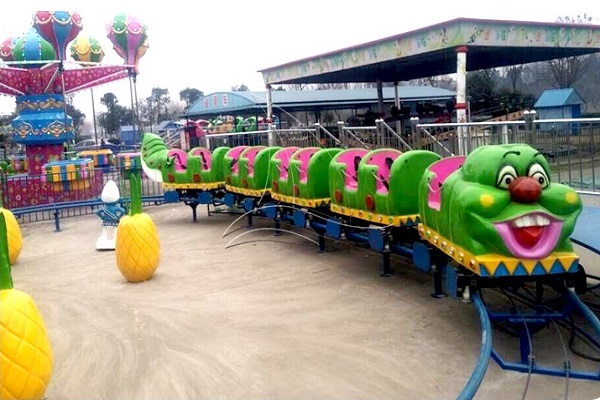
1. Know Your Backyard Space
Before choosing a backyard coaster with track for kids model, measure your available space. Most backyard coasters require:
Flat ground or gentle slope
Minimum area: 50–150 square meters (depending on the size)
Clearance from trees, fences, or walls
Soft ground like grass or rubber mats for safety
Pro Tip: Mark out the track area with rope or chalk before installation to visualize space.
2. Choose the Right Type of Coaster
There are different types of backyard roller coasters for sale suitable for various ages and budgets:
| Type | Target Age | Installation Level | Ride Style |
| Plastic Coaster Kits | 2–5 years | Easy (DIY) | Short, slow track (3–5m) |
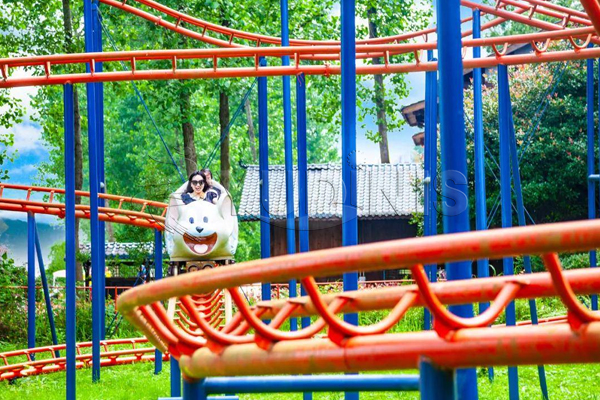
| Steel Track Mini Coaster | 4–12 years | Medium (pro help) | Gentle hills & turns |
| Wooden Backyard Coaster | 6+ years | Complex (custom build) | Real coaster feel, larger |
Ask the supplier whether the ride is certified safe for children, especially if made with steel or wood.
3. Materials Matter
Common materials used:
Plastic (PE/HDPE): Easy to maintain, ideal for toddlers
Powder-coated Steel: Durable, weather-resistant, better for older kids
Treated Wood: Offers a traditional look, but needs more maintenance
Each material affects cost, appearance, and safety, so choose based on your climate and usage frequency.
4. Safety Is Non-Negotiable
No matter how fun it looks, safety must come first. Key safety features to check:
Low max speed (for home use)
Anti-slip stairs or platforms
Safety harnesses or secure seat belts
Padded corners and enclosed sides
Soft landing zones or fall protection
Bonus tip: Always supervise young children and follow manufacturer’s instructions closely.
5. DIY or Professional Installation?
Some backyard coasters are DIY kits with pre-drilled parts and simple instructions. Others (like custom wooden or steel coasters) may need:
Foundation work (concrete base or anchors)
Tools like drills, wrenches, and ladders
Technical knowledge of load-bearing structures.
If unsure, it’s smart to hire a local handyman or consult with the manufacturer’s technical team.
6. What Does It Cost?
| Type of Backyard Coaster | Approx. Cost (USD) |
| Plastic kiddie ride-on coaster | $100 – $300 |
| Mini steel track coaster | $1,500 – $5,000 |
| Custom wooden roller coaster | $5,000 – $15,000+ |
Keep in mind: Installation fees, shipping, and customization will add to your total cost.
7. Don’t Forget Weather Resistance
Outdoor coasters should be:
Rust-proof (steel parts)
UV-protected (plastic parts)
Treated for rot & mold (wooden structures)
Consider using a weatherproof cover when not in use to extend the ride’s life.
Final Thoughts
Installing a backyard roller coaster is a fantastic way to create joy, encourage outdoor play, and even boost your home’s entertainment value. With the right planning, safety considerations, and trusted equipment, you can turn your backyard into the most exciting place on the block.
Looking for a quality roller coaster for your backyard?
Contact us now to explore custom models, installation support, and international shipping options.
Let the ride begin! Click here for more detailed information: https://www.outdoorparkrides.com/backyard-roller-coasters-for-sale/